

Use Cases
Telco AI Centre of Excellence
Industry: Telco & Infrastructure | Services: AI, Data
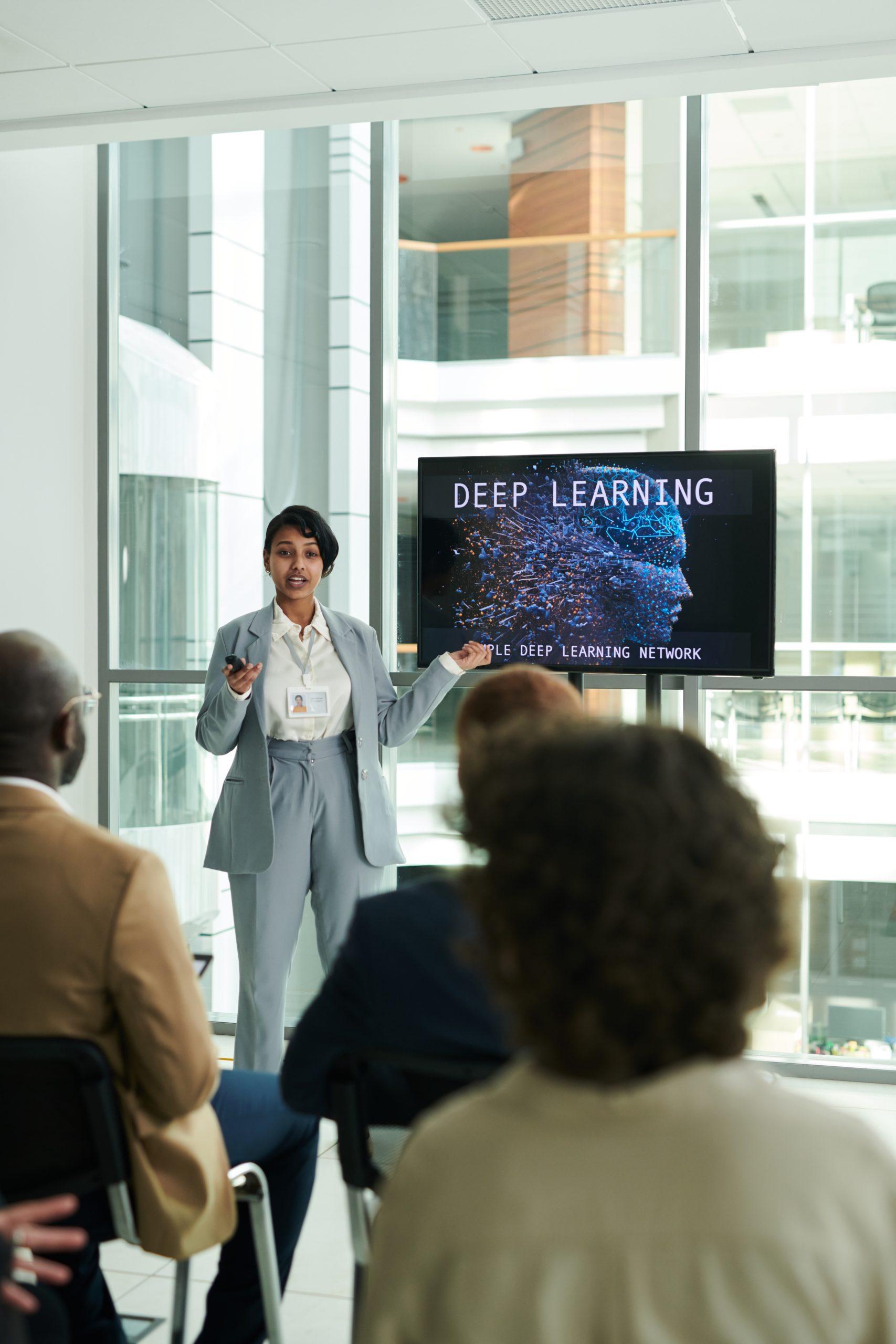
How we helped a leading European telecommunications company cut customer service time across every channel (call centres, retail stores, and beyond) by building an agentic AI solution that retrieves, reasons, and acts in real time.
About the project:
Customer service in telecoms is a high-volume, high-stakes operation. Agents across call centres and retail stores are expected to resolve complex queries quickly, with accurate information drawn from a landscape of products, contracts, policies, and account histories that rarely sits in one place.
For one of Europe’s leading telcos, this was creating a real problem. Service times were longer than they needed to be, handling costs were climbing, and the inconsistency in how queries were resolved was putting customer retention at risk. The challenge wasn’t a lack of data, it was that the data wasn’t accessible in the moment it was needed.
AdvanceWorks helped building an Agentic Retrieval-Augmented Generation (RAG) solution to solve this across three fronts: giving agents instant access to accurate, contextually relevant information through LLM-powered decision making; enabling the system to plan, retrieve, and execute tasks autonomously without manual escalation; and ensuring the platform could handle both structured and unstructured data sources across the organisation. Built on a cloud-native, scalable infrastructure, the solution also maintains short and long-term memory of user interactions so every conversation builds on what came before.
Goals achieved:
- Reduced customer wait times: Agents get accurate answers faster, directly cutting the time customers spend waiting for resolution across all service channels.
- Lower call and service duration: By surfacing the right information at the right moment, the solution reduces the back-and-forth that drives up handling time and cost.
- Consistent, high-quality service: Standardised AI-assisted responses ensure every customer interaction (regardless of channel or agent) meets the same quality bar.
- Agentic AI in production: A system that doesn’t just retrieve information but plans and executes tasks autonomously, reducing manual steps and agent cognitive load.
- Scalable, cloud-native architecture: Built to grow with the organisation, supporting increasing data volumes and new channels without rearchitecting from scratch.
Results:
With a governed framework now in place, the data team has moved from reactive firefighting to confident, structured delivery. The standardized architecture means engineers spend less time navigating inconsistencies between projects and more time building with a shared foundation that scales as the platform grows.
The introduction of integrated testing and observability has fundamentally changed how the team relates to the platform. Issues that previously went undetected until they reached production are now surfaced early, and the monitoring layer gives managers the visibility they need to act before problems escalate.
The broader impact is a shift in how the organization thinks about its data platform: no longer something that just works until it doesn’t, but a governed, observable asset that supports predictable delivery, informed decision-making, and continuous improvement.